
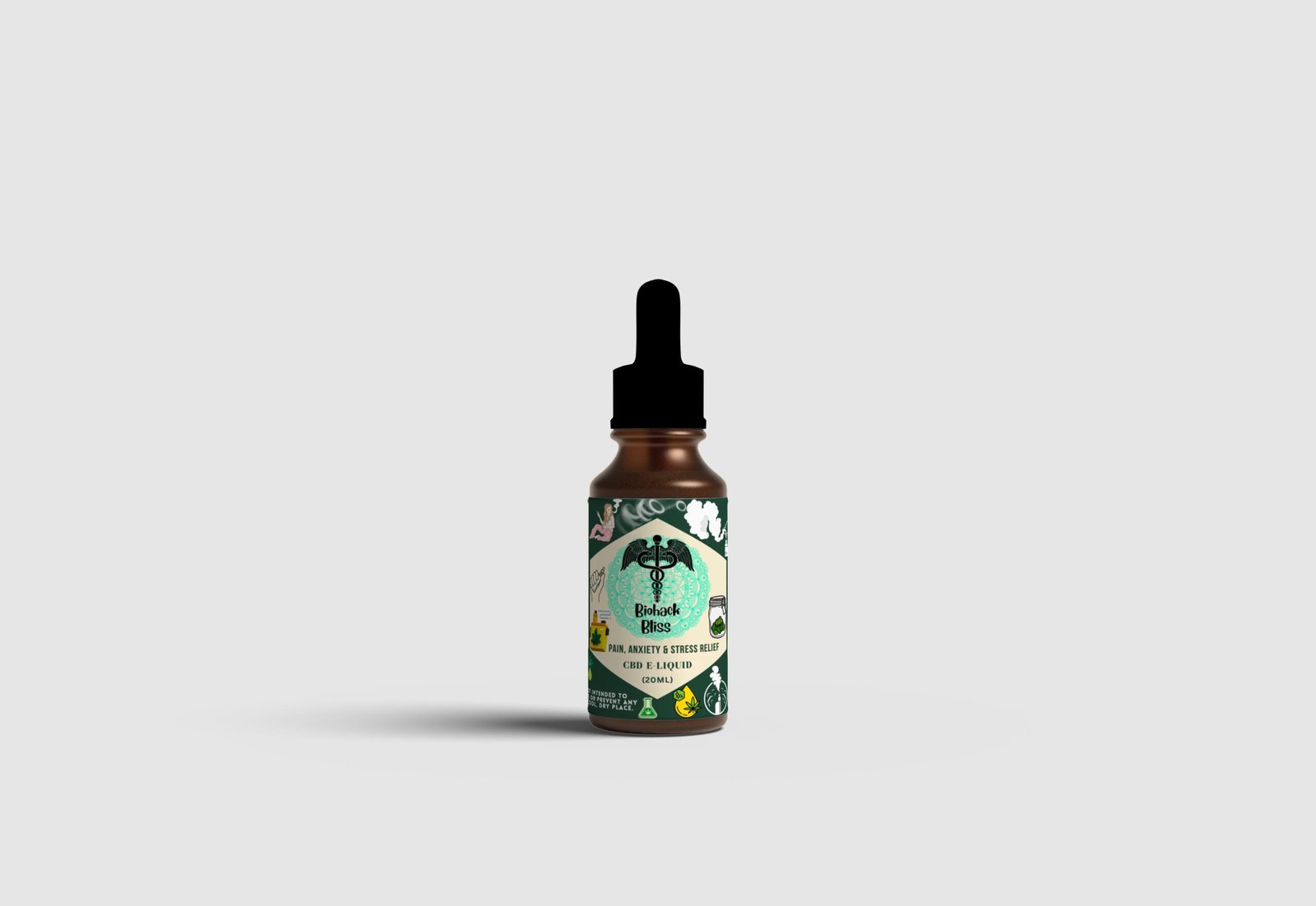
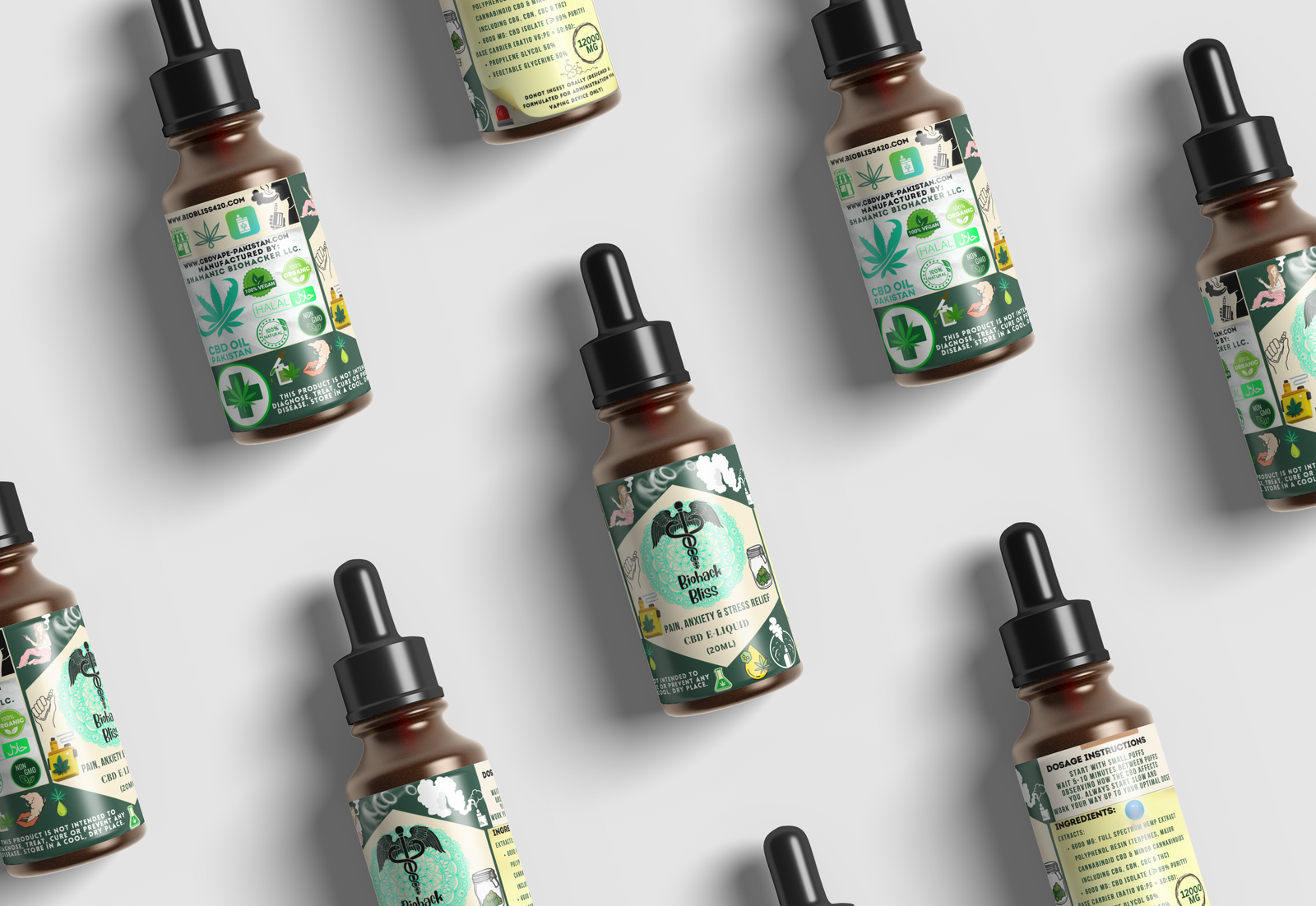
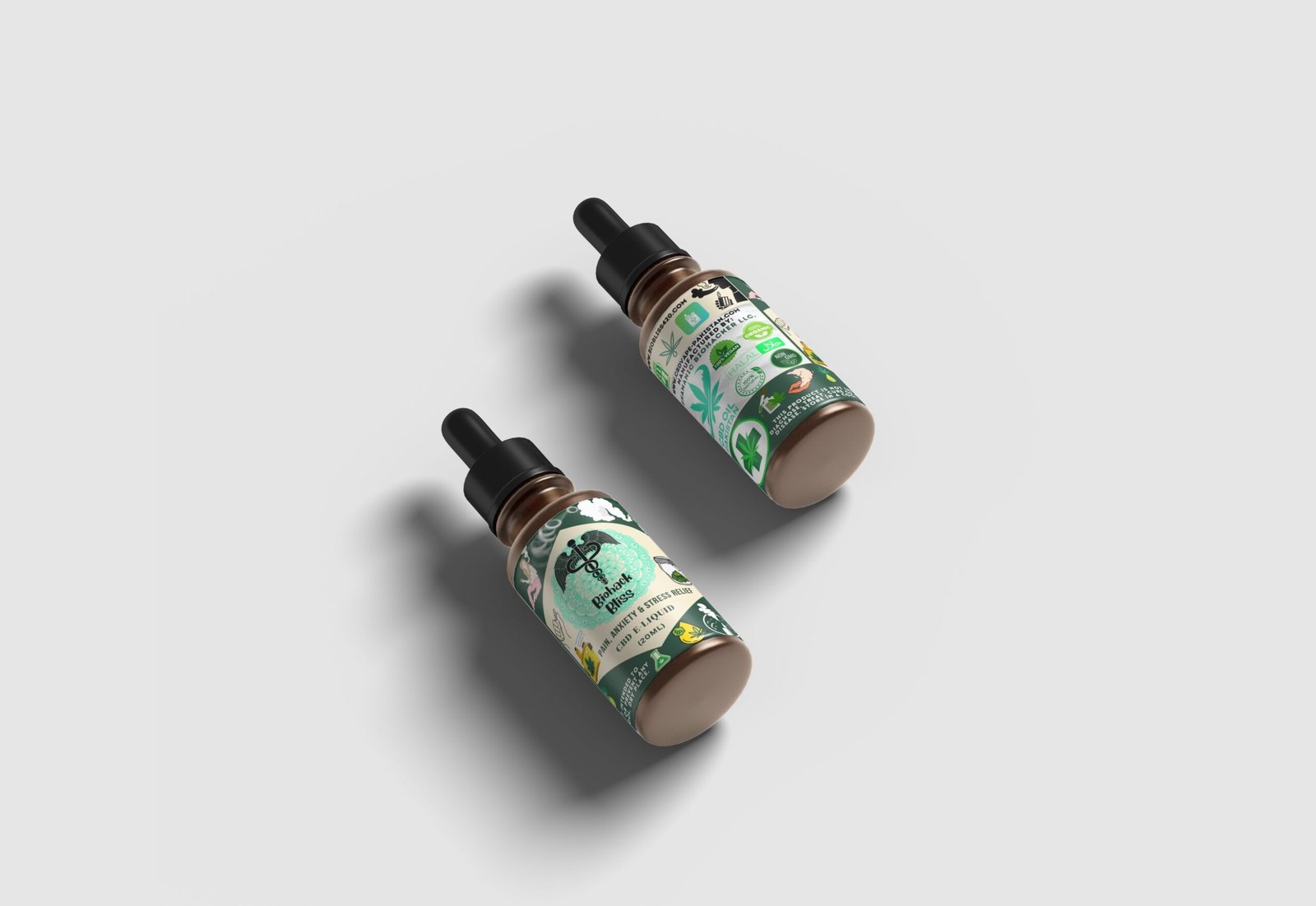
CBD Vape E-Liquid For Pain, Anxiety & Stress Relief
Price range: ₨ 4,200 through ₨ 12,400
& Free ShippingDiscover Premium CBD Vape in Pakistan – Universal E-Liquid for All Devices
Elevate your vaping experience with our premium CBD Vape in Pakistan. Specifically designed for universal compatibility, our CBD Vape E-Liquid seamlessly integrates with a wide range of devices—whether you prefer vape kits, pods, pens, or mods. This versatility ensures that you can enjoy the soothing benefits of CBD regardless of your vaping setup.
- No-Risk Money Back Guarantee!
- No Hassle Refunds
- Secure Payments
Description
Description
Why Our CBD Vape E-Liquid Stands Out As The Best In #PAKISTAN
Experience the Power of Premium Ingredients
Quality is at the heart of what we do. Each bottle of our CBD Vape E-Liquid contains a potent 1000mg concentration, blending 500mg of full-spectrum hemp extract polyphenol resin with 500mg of pure CBD isolate. We use ethanol-based extraction for the full-spectrum hemp, preserving the plant’s natural compounds, and supercritical CO2 extraction for the CBD isolate, ensuring maximum purity and potency. This meticulous process guarantees that every puff you take delivers the calming effects of CBD in its most potent and pure form.
Enjoy a Smooth and Flavorful Vape
Our e-liquid’s perfectly balanced 50/50 mix of vegetable glycerin (VG) and propylene glycol (PG) creates a vapor that’s both smooth and rich in flavor. The VG ensures thick, smooth vapor, while the PG carries the flavor and provides a satisfying throat hit. This ideal combination makes our e-liquid perfect for both beginners and seasoned vapers, offering a consistently enjoyable experience. Packaged in a convenient 20ml bottle, our e-liquid ensures that every vape session is as satisfying as the last.
Vape with Maximum Convenience and Flexibility
We understand that every vaper has their preferences. That’s why our CBD Vape E-Liquid is designed to work seamlessly with any device you choose. Whether you’re using a vape kit, pod system, pen, or mod, our e-liquid integrates effortlessly, allowing you to enjoy your CBD with ease and convenience. This versatility eliminates the need for multiple products and lets you enjoy the benefits of CBD without any additional hassle.
Discover the Ultimate Vaping Experience in Pakistan
When it comes to vaping, quality matters. Our CBD Vape E-Liquid is crafted to deliver an experience that is smooth, potent, and truly satisfying. Whether you’re looking to unwind after a long day, manage stress, or simply enhance your vaping routine, our e-liquid offers the perfect balance of effectiveness and enjoyment.
Don’t miss out on the best CBD Vape in Pakistan. Try our premium e-liquid today and discover the difference that quality makes. Your ultimate CBD vaping experience is just a puff away!
For a complete wellness experience, consider pairing our Full Spectrum Hemp Derived CBD Vape E-liquid with our Full Spectrum CBD Hemp Derived CBD Oil. Explore the full range of benefits by visiting the product page here or visit our META (Facebook / Instagram) complaint partner website to place your orders @ BIOHACK BLISS
Additional information
Additional information
| CBD Concentration (Full Spectrum) | 1000mg, 2500mg, 8000mg, 12000mg |
|---|
Reviews (1)
1 review for CBD Vape E-Liquid For Pain, Anxiety & Stress Relief
-
CBD Vape E-Liquid
CBD Vape E-Liquid For Pain, Anxiety & Stress Relief
Price range: ₨ 4,200 through ₨ 12,400

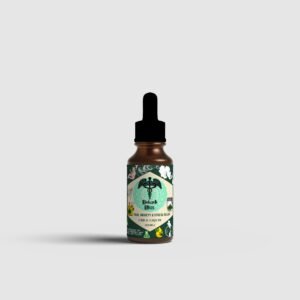
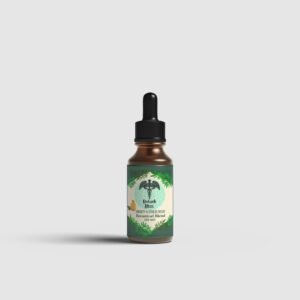

🌿 Khwaja Khizar & Cannabis: The Mystical Legacy of Green Wellness in Pakistan
In Islamic and South Asian spirituality, Khwaja Khizar — also known as Al-Khidr — is a mysterious, immortal figure associated with guidance, greenery, and divine
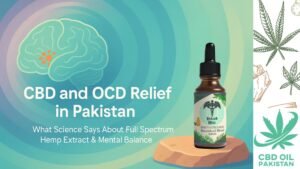
CBD Oil in Pakistan for OCD: Can It Help Manage Symptoms Naturally?
As conversations about holistic health gain momentum, many in Pakistan are exploring CBD oil as a natural support tool for mental wellness. Among the conditions
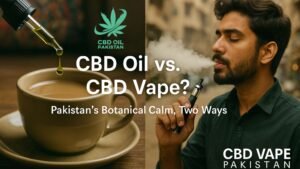
CBD Oil vs CBD Vape Pakistan: Which One Should You Use?
As CBD gains popularity across Pakistan, many wellness seekers find themselves asking: should I try CBD oil or CBD vape? Both options offer natural relief

CBD Vape Oil in Pakistan: The Science-Backed Solution for Stress, Pain & Anxiety
In 2025, wellness-focused adults across Pakistan are turning toward a modern solution grounded in ancient plant wisdom: CBD vape oil. With rising urban stress, climate-induced

Buy CBD Vape Online Pakistan – Legal Guide, Benefits & Trusted Sources (2025)
CBD is no longer just a buzzword—it’s a wellness revolution. And if you’re in Pakistan searching for a natural way to relax, recharge, or sleep
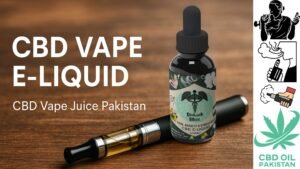
CBD Vape E-Liquid: Premium CBD Vape Juice Now in Pakistan
🌿 What is CBD Vape E-Liquid? CBD Vape E-Liquid—commonly referred to as CBD Vape Juice—is a specially formulated liquid infused with cannabidiol (CBD), designed for
Rahbar –
I need it urgent in islamabad tell me the procedure
03435348175